Available for work · Open to relocate · Texas

Karim Ray Mahdi

Digital & Embedded Hardware Engineer

I design digital and mixed-signal hardware and take it from schematic capture through prototype bring-up. Much of the engineering is at the interfaces: achieving timing closure on an FPGA, preserving analog front-end signal integrity next to a switching regulator, and using an oscilloscope to root-cause a board's first revision.

Karim Ray Mahdi Texas Tech University · B.S. Electrical Engineering

About

From schematic to a validated board

I'm finishing a B.S. in Electrical Engineering at Texas Tech, graduating in August 2026, with a minor in Mathematics. My focus is the digital and mixed-signal layer: the boundary between digital logic, the analog front end, firmware, and the printed circuit board, where most integration issues surface.

Digital & FPGA

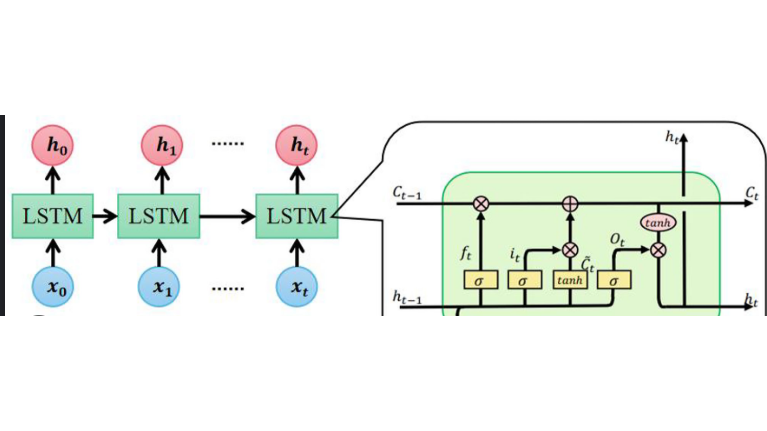
I develop RTL and embedded firmware and validate it against post-synthesis behavior, not simulation alone. That has meant FPGA signal processing with fixed, deterministic latency, two-flop synchronizers that keep metastability out of the control path, and real-time control and six-step commutation built as finite state machines on MSP430 and STM32. I work in Verilog, VHDL, C, and Python, with attention to timing closure and clock-domain crossing.

Board design & bring-up

I take designs from schematic capture and ERC through multilayer layout, with attention to return paths and decoupling. Bring-up follows a controlled sequence: supply rails under a current limit, then the analog stages, then the digital. I isolate faults by measurement, on the oscilloscope, DMM, spectrum analyzer, function generator, and bench supply. On the secure-wallet board that took seven revisions to resolve noise and signal-integrity issues; on the 40 V protection board, a switching fault traced from the MOSFET gate-drive waveform under transient load.

Coursework VLSI Design · Digital System Design · Signals and Systems · Control Systems · Embedded Systems

Skills

What I work with

Grouped around digital-hardware work: FPGA and digital logic, board-level design, and bench validation.

FPGA & Digital Logic

VerilogVHDLFPGA State machinesTiming analysis VLSI DesignDigital System Design

Embedded & Interfaces

MSP430ARM CortexSTM32 NVIDIA JetsonI²CSPIUART

Languages

PythonCC++ RustMATLABLabVIEW

Board Design & EDA

Schematic captureAltiumEAGLE 4-layer layoutSignal integrity LTspiceMultisimSimulink

Test & Measurement

OscilloscopeDMMSpectrum analyzer Function generatorBench supplyBoard bring-up

Power & Analog

DC-DC conversionOCP / OVPReverse-polarity Protection circuitsFMEA

Projects

Selected work

Digital control, board-level design, and bench validation. Code and build notes are on GitHub.

Smart 40V DC protection board
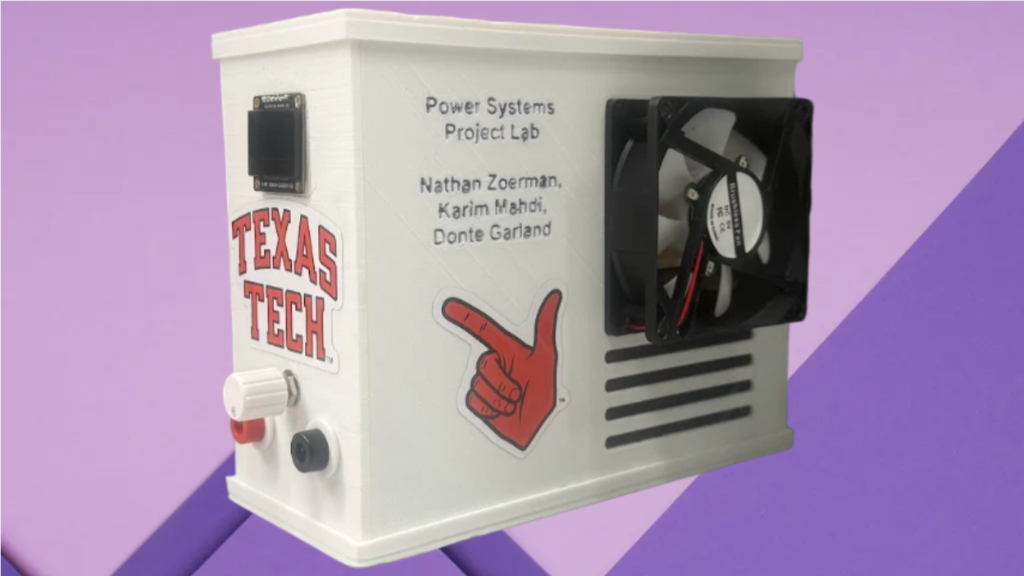
Power Systems Project Lab

Smart 40 V / 5 A DC Protection & Monitoring

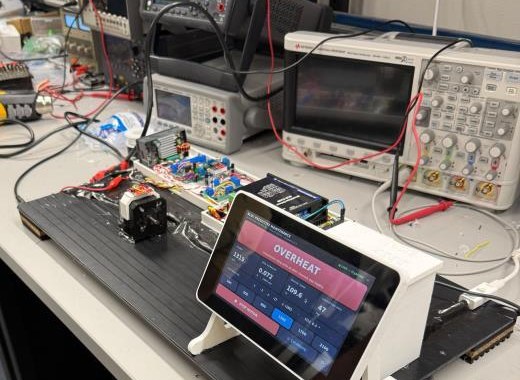
A protection board that watches for reverse polarity, overvoltage, and overcurrent. A P-channel high-side MOSFET isolates the load, a zener sets the overvoltage trip, and the board restores itself once the fault clears. Live voltage, current, and fault state on an I²C LCD. I designed it from schematic capture through bring-up, and traced a switching fault by reading the MOSFET gate drive on the scope under steady-state and transient load.

Schematic → bring-upP-ch MOSFETI²COscilloscope
Autonomous minesweeper rover
Embedded Systems Project Lab

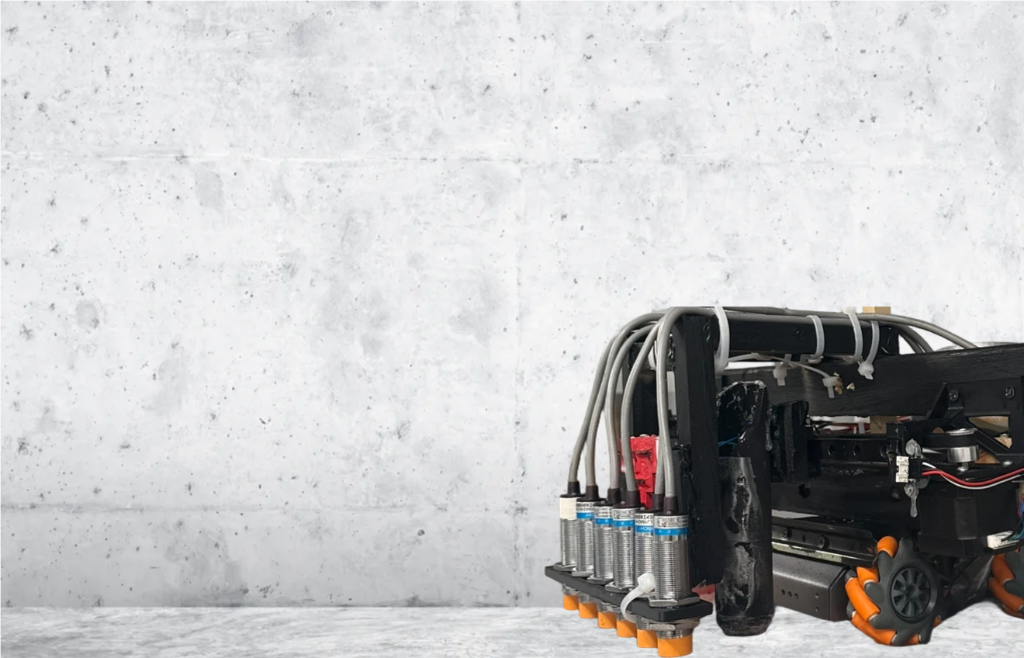
Autonomous Minesweeper Rover

An autonomous rover I programmed in embedded C on an MSP430FR6989, running its motion as a real-time state machine. It homes on an IR beacon with obstacle avoidance, detects metal washers with inductive proximity sensors, and picks them up with a rail-mounted electromagnet driven along the rail by a stepper. Separate 12 V, 5 V, and 3.3 V rails feed the actuators, the controller, and the sensors so switching noise stays off the logic.

MSP430FR6989Embedded CState machineInductive sensing
Wearable EMG neural interface
Tech Innovation Labs

Wearable EMG Neural Interface

A wearable that turns muscle activity into control signals, with the signal processing on an FPGA for fixed, deterministic latency. I designed the power electronics for the PCB in Altium and ran several rounds of board-level PCBA validation. The validation pipeline reads the user's handwriting on a tablet with OCR as a ground-truth reference, then cross-checks it against the arm's signal output to score model accuracy and guide fine-tuning.

FPGAAltiumAnalog front endPCBA validation
OCR-based AI mail sorting machine
Microcontroller Project Lab

OCR-Based AI Mail Sorting Machine

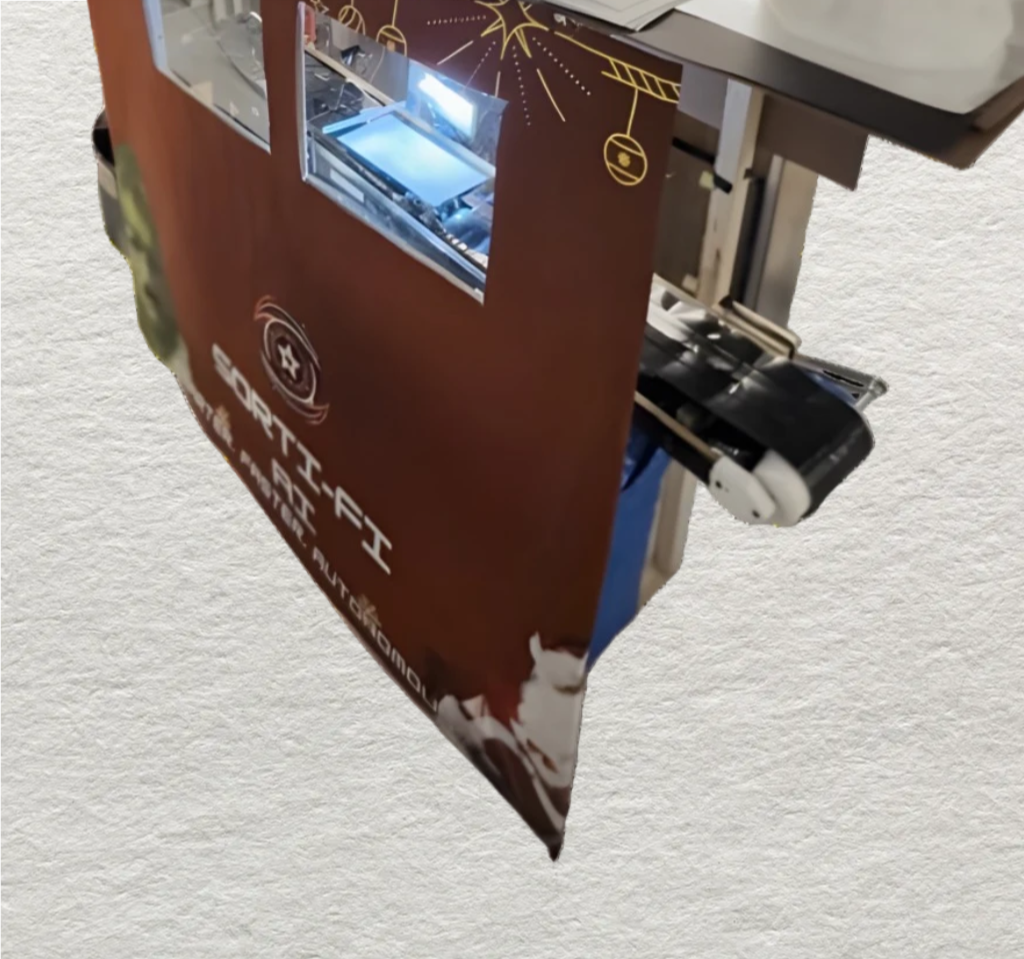
A mail sorter on an NVIDIA Jetson Orin that reads handwritten addresses in real time with a custom YOLO detector, EasyOCR, and a lightweight LLaMA model, then drives the motors and sensors that route each piece. Built on a conveyor powered by DC-DC converters and LDOs supplying regulated 12 V, 5 V, and 3.3 V rails, running on Linux. The hard part was getting a probabilistic perception pipeline to hand off cleanly to deterministic motor control.

Jetson OrinPythonDC-DC + LDO railsMotor control
Predictive motor failure detection
Senior Capstone

Predictive Motor Failure Detection In progress

A real-time system that flags early BLDC motor faults from vibration and temperature before the motor strands the user. Six-step Hall commutation on an STM32H743, a KX134 accelerometer, and a BLD-510B brushless driver. The detection logic reads the vibration spectrum for bearing-fault signatures and holds the classification against known induced faults. Targeting the Aug 2026 capstone.

STM32H743Hall commutationKX134Vibration DSP
Secure hardware wallet board
Motonari Studio

Secure Hardware Wallet (4-layer STM32)

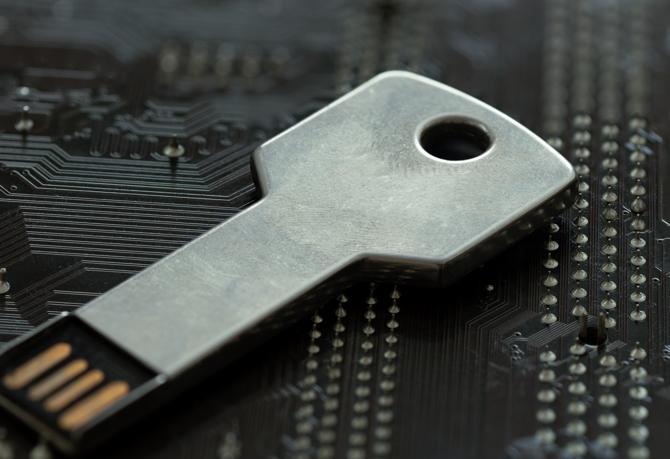
A secure cold-storage device built around an STM32 and a secure element. I helped lay out the 4-layer board to make probing the secure element harder while keeping the ground plane, USB differential pair, and power rails clean. I taught myself PCB design on this board and ran 7 revisions, chasing noise and signal-integrity problems on the oscilloscope and spectrum analyzer until it met spec.

4-layer PCBSTM32USB diff pairSignal integrity

Experience

Professional experience

Motonari Studio, Co-FounderAustin, TX · Oct 2022 to Oct 2024

Co-founded a hardware startup building a secure cold-storage wallet. I helped design the 4-layer board around an STM32 and a secure element, laying it out to make probing the secure element harder while keeping the ground plane, USB pair, and power rails clean. I taught myself PCB fundamentals on this board and ran 7 revisions, debugging noise and signal-integrity issues on the scope and spectrum analyzer until the board met spec.

UN Development Program, Sustainable Energy Research InternRemote · May 2022 to Aug 2022

Analyzed generation data and energy reports for solar PV and wind projects in crisis-affected regions, tracking load and capacity trends for the team's briefings. I built Python and Pandas workflows to clean and consolidate fragmented datasets, reconciling inconsistent units and gaps into the summary tables used in project reporting.

Tech Innovation Labs, Texas Tech · Co-Founder / PresidentLubbock, TX · Dec 2024 to Aug 2026

Built and led a 25-member student organization focused on embedded systems, computer vision, and AI. I coordinated IEEE technical sessions, presented the org to the Texas Tech Board of Regents and the Dean of Engineering to secure project funding, and prepared teams for the Microsoft Imagine Cup and the NVIDIA AI City Challenge.

Contact

Get in touch

I'm finishing my B.S. in Electrical Engineering at Texas Tech (Aug 2026) and I'm open to relocating anywhere in Texas or beyond. If you'd like the board files, the firmware, or a walkthrough of any of the work above, reach out or find the code on GitHub.